10 Everyday Uses of Non-Ferrous Metals
When you think of metals, your mind might jump to the usual suspects: steel, iron, or maybe gold. However, non-ferrous metals are where the real magic happens, often hiding in plain sight. From household gadgets to energy solutions, these versatile materials play essential roles in our everyday lives. In this article, we’ll dive into ten surprising uses of non-ferrous metals that you probably never knew about, revealing not only their functionality but also why they matter to you.
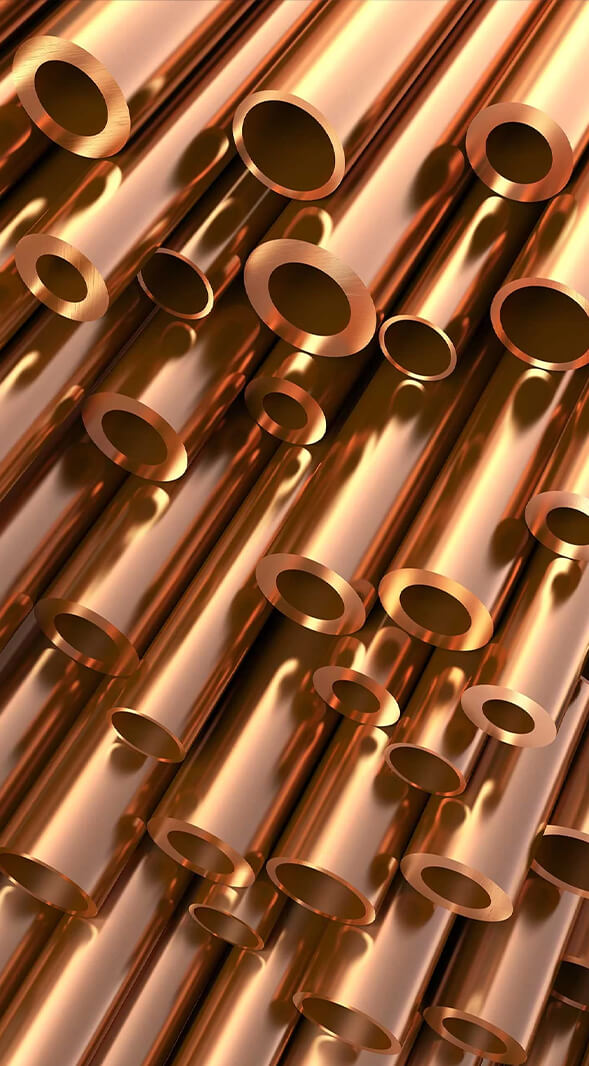
For a practical overview of the category, see D7 Capital Partners’ non-ferrous metals guide. The International Copper Association also explains how copper supports modern infrastructure and electrification.
1. Aluminum Foil: More Than Just Food Wrapping
One of the most familiar uses of non-ferrous metals is thin, corrosion-resistant aluminium packaging.
Creative Uses in the Kitchen
Aluminum foil is a staple in most kitchens, primarily used for wrapping leftovers or lining baking sheets. But did you know it can do much more? For instance, you can create a makeshift funnel by folding the foil into a cone shape, an excellent solution for pouring dry ingredients without making a mess. Additionally, it can be used to sharpen dull scissors; just fold a piece of foil several times and cut through it a few times to restore the blades’ sharpness.
Craft Projects and DIY Ideas
Beyond culinary uses, aluminum foil is a fantastic material for various craft projects. From creating shiny ornaments to making intricate sculptures, the malleability of foil inspires creativity. It can also serve as a reflective surface, enhancing the light in photography or DIY lanterns. With a bit of imagination, the humble aluminum foil transforms from a kitchen utility to a versatile crafting companion.
2. Copper: The Unsung Hero of Electrical Wiring
Essential uses of non-ferrous metals include safe and efficient electricity distribution through copper wiring.
Why Copper is the Go-To for Electricians
Copper is renowned for its excellent electrical conductivity, making it the preferred choice for electrical wiring in homes and industries. Its ability to carry electricity with minimal resistance ensures that power flows efficiently. The metal’s durability and resistance to corrosion mean that wiring can last for decades without needing replacement, providing both safety and reliability.
Innovative Uses in Renewable Energy
As the world shifts towards renewable energy, copper’s role becomes even more critical. It is a key component in solar panels and wind turbines, facilitating the conversion of natural resources into electricity. As demand for clean energy grows, so does the necessity for copper in this sector, making it a pivotal material for a sustainable future.
3. Brass: The Hidden Gem in Plumbing Fixtures
Practical uses of non-ferrous metals also include durable brass plumbing and decorative hardware.
Durability and Resistance to Corrosion
Brass is an alloy of copper and zinc, known for its strength and resistance to corrosion. These properties make it ideal for plumbing fixtures like faucets and valves. Unlike other metals that may rust or degrade over time, brass maintains its integrity, ensuring long-lasting performance even in wet environments.
Style Points for Home Decor
Beyond functionality, brass has aesthetic appeal that adds a touch of elegance to home decor. Its warm, golden hue complements various interior styles, from vintage to modern. Whether used in light fixtures, cabinet hardware, or decorative pieces, brass can elevate the look of any space while serving practical purposes.
4. Lead: Still Around in Unexpected Places
What You Didn’t Know About Lead Solder
Despite its controversial past, lead still finds its place in certain applications. One notable area is lead solder, commonly used in electronics and plumbing. Lead solder provides excellent conductivity and is easy to work with, making it a preferred choice for electronics assembly. However, due to health concerns, lead-free alternatives are becoming increasingly popular.
Lead in Batteries: A Lifesaver for Your Gadgets
Lead-acid batteries are another significant application of lead, especially in vehicles. These batteries power everything from cars to backup generators, proving their reliability and efficiency. While newer technologies are emerging, lead-acid batteries continue to be a practical solution for energy storage, showcasing lead’s enduring utility in modern life.
5. Titanium: The Lightweight Champion
High-performance uses of non-ferrous metals include lightweight titanium products for medical and transport applications.
Everyday Items That Use Titanium
Titanium is celebrated for its strength-to-weight ratio, making it ideal for a range of everyday items. From lightweight eyeglass frames to aerospace components, titanium’s durability makes it a favored material in industries that prioritize performance. Its corrosion resistance further enhances its appeal, ensuring longevity even in challenging environments.
Why People Love Titanium Jewelry
In the world of fashion, titanium jewelry is gaining popularity due to its sleek appearance and hypoallergenic properties. Unlike some traditional materials, titanium doesn’t irritate the skin, making it perfect for those with sensitivities. Its modern aesthetic and durability allow it to be worn daily without the fear of tarnishing, making it a go-to choice for many jewelry enthusiasts.
6. Zinc: The Unsung Protector
Protective uses of non-ferrous metals include zinc coatings that slow corrosion and extend product life.
How Zinc Coating Keeps Things Rust-Free
Zinc plays a crucial role in preventing corrosion, especially in iron and steel products. By applying a zinc coating, manufacturers can significantly extend the life of materials exposed to the elements. This method, known as galvanization, is widely used in construction and automotive industries, ensuring that metal structures remain intact over time.
Uses in Health Supplements
Beyond its protective properties, zinc is vital for human health. It supports the immune system and is essential for numerous biological functions. As a dietary supplement, zinc helps prevent deficiencies, particularly in populations at risk. The metal’s role in nutrition highlights its importance in maintaining overall health and wellness.
7. Nickel: More Present Than You Think
Why Nickel is Key in Everyday Alloys
Nickel is often overshadowed by more popular metals, but it’s a crucial component in many alloys. Stainless steel, for example, owes much of its strength and resistance to rust to nickel. This versatile metal enhances the properties of alloys, making them suitable for various applications, from kitchenware to industrial machinery.
Applications in Coins and Currency
Nickel is also found in the currency we use daily. Many coins contain nickel, providing durability and resistance to wear and tear. The metal’s ability to withstand corrosion ensures that coins remain in circulation longer, making nickel a fundamental element in the world of finance.
8. Magnesium: The Overlooked Metal in Your Life
Why It’s Used in Lightweight Products
Known for being one of the lightest structural metals, magnesium is increasingly used in consumer products. From laptops to sports equipment, manufacturers leverage magnesium’s lightness to create portable and easy-to-use items. This characteristic makes it an attractive option for various industries aiming to reduce weight without sacrificing strength.
Magnesium in Fireworks: A Showstopper!
Interestingly, magnesium plays a role in entertainment too, particularly in fireworks. Its ability to burn brightly and create dazzling white sparks makes it a popular choice for pyrotechnics. When combined with other metals, it contributes to the vibrant colors we see in fireworks displays, adding excitement to celebrations around the world.
9. Bismuth: The Quirky Metal with Unique Uses
From Cosmetics to Pharmaceuticals
Bismuth might not be a household name, but it has a variety of intriguing applications. In cosmetics, it helps create a pearlescent effect in products like eyeshadows and lipsticks, offering a touch of glamour. Additionally, bismuth compounds are used in pharmaceuticals, particularly in medications for gastrointestinal issues, showcasing its versatility beyond mere aesthetics.
The Magic of Bismuth Crystals
Bismuth is also renowned for its unique crystal formations that exhibit stunning colors and patterns. These crystals have become popular among collectors and are often used in jewelry and decorative pieces. The captivating beauty of bismuth crystals, along with their scientific significance, makes this metal a fascinating subject in both art and science.
10. Silver: More Than Just Jewelry
Antimicrobial Properties in Everyday Items
Silver has been valued for centuries, not just for its beauty but also for its antimicrobial properties. It’s often used in medical applications, such as wound dressings and coatings for medical devices, to help prevent infections. This ancient knowledge is now being applied in modern technology, making silver an essential component in health-related products.
Silver in Electronics: A Hidden Connection
Moreover, silver is one of the best conductors of electricity, making it vital for the electronics industry. It’s used in various components, from circuit boards to connectors, enhancing the performance and longevity of electronic devices. This connection between silver and technology demonstrates how this precious metal plays an integral role in our tech-driven lives.
Conclusion
These uses of non-ferrous metals show why lightweight, conductive and corrosion-resistant materials appear throughout modern life. Understanding the uses of non-ferrous metals also helps businesses separate valuable scrap streams more accurately.
Non-ferrous metals may not always be in the spotlight, but their everyday uses are indispensable. From the aluminum foil in your kitchen to the silver in your electronics, these materials significantly impact our daily lives. Understanding their applications allows us to appreciate the innovation that goes into the products we often take for granted. So the next time you use any of these items, take a moment to consider the remarkable materials that make them possible.
FAQs
What are non-ferrous metals?
Non-ferrous metals are metals that do not contain significant amounts of iron. They are typically more resistant to corrosion and are lighter than ferrous metals.
What are some common non-ferrous metals?
Some common non-ferrous metals include aluminum, copper, lead, zinc, titanium, nickel, and silver.
Why are non-ferrous metals used in construction?
Non-ferrous metals are used in construction for their durability, corrosion resistance, and lightweight properties, making them ideal for various structural applications.
How do non-ferrous metals contribute to renewable energy?
Non-ferrous metals like copper and aluminum are crucial in renewable energy systems, particularly in solar panels and wind turbines, due to their excellent conductivity and lightweight characteristics.