Introduction
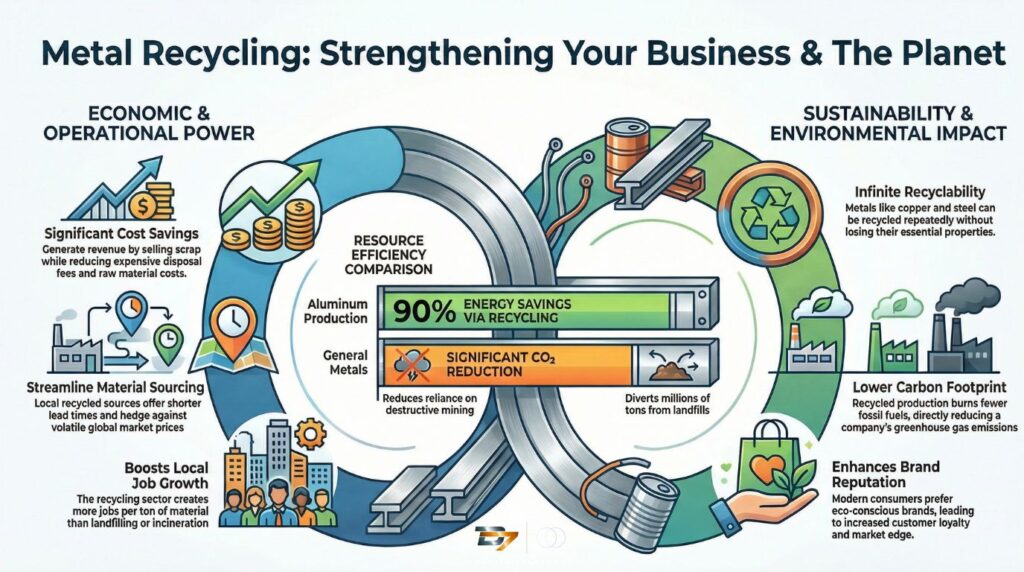
The economic impact of scrap metal recycling extends far beyond the simple act of collecting and processing discarded metals. For business owners, entrepreneurs, and professionals, understanding this industry can reveal both opportunities and challenges. As the world increasingly focuses on sustainability, the role of scrap metal recycling becomes integral in promoting an environmentally friendly economy while also fostering economic growth. This article delves into various aspects of scrap metal recycling, including its processes, economic benefits, market dynamics, regulatory environment, and practical strategies for capitalizing on this sector.
Overview of Scrap Metal Recycling
Definition of Scrap Metal Recycling
Scrap metal recycling refers to the process of collecting, processing, and reusing metal waste from various sources instead of sending it to landfills. This practice not only conserves natural resources but also reduces energy consumption and greenhouse gas emissions associated with the production of new metals. The process involves several stages, including collection, sorting, processing, and resale to manufacturers or metal markets.
Types of Scrap Metals
Scrap metals are generally categorized into two main types: ferrous and non-ferrous metals. Ferrous metals contain iron and are magnetic. Examples include steel and cast iron, commonly found in construction, appliances, and vehicles. Non-ferrous metals, such as aluminum, copper, brass, and lead, do not contain iron and are more resistant to corrosion. Each type of scrap metal has its market and value, thus impacting recycling operations differently.
Process of Scrap Metal Recycling
The recycling process begins with the collection of scrap metal, which can come from various sources such as industrial waste, consumer products, and construction materials. Once collected, the metals are sorted into categories based on their type and grade. Following sorting, metals are processed through shredding, crushing, or shearing to reduce their size. After processing, they are melted in furnaces and transformed into new metal products, ready for manufacturing industries.
The Economic Benefits of Scrap Metal Recycling
Cost Reduction for Businesses
For businesses, utilizing recycled metal can lead to significant cost savings. By sourcing scrap metal instead of new raw materials, companies can reduce their production costs. Moreover, recycling scrap metal often requires less energy compared to producing new metals, which translates into lower operational costs. This cost-effective approach not only enhances profit margins but also aligns with sustainable practices that many consumers value.
Job Creation and Economic Growth
The scrap metal recycling industry creates numerous jobs across various sectors, from collection and processing to transportation and sales. According to recent studies, for every job in metal recycling, there are additional jobs created in related industries, including manufacturing and logistics. Furthermore, as recycling operations expand, they contribute to overall economic growth by fostering local businesses and attracting investment in infrastructure and technology.
Impact on Local Economies
Scrap metal recycling significantly impacts local economies by generating tax revenues and supporting community initiatives. Recycling facilities contribute to local employment and provide a steady flow of income for workers and their families. Furthermore, as recycled materials enter the market, they help stabilize prices and create competitive advantages for local manufacturers, ultimately strengthening the community’s economic foundation.
Market Dynamics of Scrap Metal
Supply and Demand Factors
The market for scrap metal is influenced by various supply and demand factors, including industrial activity, construction rates, and global market conditions. A rise in manufacturing and construction typically increases the demand for raw materials, leading to higher scrap metal prices. Conversely, economic downturns can reduce demand, causing prices to fall. Understanding these market dynamics is crucial for businesses involved in scrap metal recycling.
Global Market Trends
Globalization has significantly impacted scrap metal markets, with increased trade flows affecting prices and supply chains. Countries such as China and India are major consumers of scrap metals, driving demand on a global scale. Additionally, technological advancements in recycling processes and increased consumer awareness about sustainability are shaping the industry’s future. Businesses must remain aware of these trends to adapt their strategies accordingly.
Price Fluctuations and Their Effects
Price fluctuations in the scrap metal market can pose challenges for businesses. Volatility often results from various factors, such as changes in tariffs, trade agreements, or shifts in demand due to economic conditions. For businesses, understanding how to navigate these fluctuations is essential; this could involve establishing long-term contracts with suppliers or diversifying the types of scrap metals processed to mitigate risks associated with price changes.
Regulatory Environment
Local and Federal Regulations
Scrap metal recycling operates within a framework of regulations that vary by region and country. Local and federal regulations may govern the collection, transportation, and processing of scrap metals. Compliance with these regulations is critical to ensuring that recycling operations operate legally and sustainably. Regulations often include requirements for record-keeping, safety standards, and environmental protections.
Compliance and Its Economic Implications
While compliance with regulations can impose additional costs on scrap metal businesses, non-compliance can result in severe penalties, including fines and the potential shutdown of operations. Therefore, understanding regulatory requirements is essential for business owners to avoid legal issues. Moreover, companies that prioritize compliance often enhance their reputations, attracting more customers and partners in the process.
Challenges in Scrap Metal Recycling
Quality Control IssuesFor official South African waste policy and recycling guidance, consult the Department of Forestry, Fisheries and the Environment. The scrap metal industry operates within broader national waste and environmental frameworks. 3>
Quality control in scrap metal recycling is a significant challenge, as impurities can negatively impact the quality of recycled metals. Contaminated scrap can lead to increased processing costs and reduced market value. Implementing strict quality assurance measures and training staff on proper sorting and handling techniques can help mitigate these issues and ensure that businesses meet industry standards for recycled materials.
Market Access and Competition
The scrap metal recycling industry is marked by competitive pressures, with numerous operators vying for the same sources of scrap. Smaller businesses may struggle to compete against larger firms that benefit from economies of scale. To overcome these challenges, smaller operators can focus on niche markets or specialized services, creating unique offerings that differentiate them from competitors.
Environmental Concerns and Solutions
Environmental concerns related to scrap metal recycling revolve around potential pollution and the energy consumption involved in processing metals. To address these concerns, businesses can adopt eco-friendly practices, such as investing in cleaner technologies and optimizing their operations to minimize waste and emissions. Furthermore, promoting recycling education within communities can lead to better waste management practices and increased participation in scrap metal recycling initiatives.
Case Studies
Successful Scrap Metal Recycling Businesses
Several businesses have excelled in the scrap metal recycling industry by embracing innovation and sustainability. For instance, a leading recycling firm implemented advanced sorting technologies that enhanced the quality of their recycled metals, attracting more clients and partners. Their investment in technology not only improved operational efficiency but also reduced overall costs, allowing them to remain competitive in a volatile market.
Lessons Learned from Failed Ventures
Conversely, some scrap metal recycling ventures have failed due to poor management and a lack of market understanding. One notable case involved a company that expanded too quickly without adequately assessing local demand for their services. This miscalculation led to significant financial losses and ultimate closure. Lessons from these failures underscore the importance of conducting thorough market research and maintaining sustainable growth practices.
Strategies for Business Owners and Entrepreneurs
Identifying Opportunities in Scrap Metal Recycling
To successfully navigate the scrap metal recycling landscape, business owners and entrepreneurs must remain vigilant in identifying emerging opportunities. This can involve monitoring trends in consumer behavior, technological advancements, and changes in regulatory requirements. By staying ahead of the curve, businesses can capitalize on new markets and adapt their strategies to seize opportunities as they arise.
Building Sustainable Business Models
Developing a sustainable business model is crucial for long-term success in the scrap metal recycling industry. This can be achieved by maximizing resource efficiency, minimizing operational waste, and establishing partnerships with local businesses and suppliers. A strong focus on sustainability not only enhances operational resilience but can also attract environmentally conscious consumers and clients.
Partnerships and Collaborations
Creating strategic partnerships can enable scrap metal recycling businesses to expand their reach and improve their services. Collaborations with local governments, environmental organizations, and other businesses can lead to innovative solutions and shared resources. Networking within the industry can also provide insights and support, helping businesses navigate challenges and adapt to changing market conditions.
Conclusion
Understanding the economic impact of scrap metal recycling is vital for business owners and entrepreneurs seeking opportunities in this field. By recognizing the benefits, challenges, and market dynamics, individuals can make informed decisions that contribute to both economic growth and environmental sustainability. As the industry evolves, staying informed and adaptable will be key to thriving in the competitive landscape of scrap metal recycling.
Resources and References
For further reading on scrap metal recycling, consider consulting industry reports, government resources on recycling regulations, and environmental organizations that provide insights into sustainable practices. Engaging with local recycling associations can also offer valuable networking opportunities and industry knowledge.
FAQs
What are the primary types of scrap metals?
The primary types of scrap metals are ferrous metals, which contain iron (like steel), and non-ferrous metals, which do not contain iron (such as aluminum, copper, and brass).
How does scrap metal recycling benefit the economy?
Scrap metal recycling benefits the economy by reducing production costs for businesses, creating jobs, generating tax revenues, and contributing to local economic growth.
What are the main challenges in scrap metal recycling?
Main challenges include quality control issues, market access competition, fluctuations in prices, and environmental concerns related to processing.
How can businesses ensure compliance with recycling regulations?
Businesses can ensure compliance by staying informed about local and federal regulations, maintaining accurate records, and implementing safety and environmental practices.
What strategies can help small businesses succeed in scrap metal recycling?
Small businesses can succeed by identifying niche markets, forming strategic partnerships, and adopting sustainable practices that differentiate them from larger competitors.