A scrap metal collection SLA turns a vague promise to “clear the scrap” into a measurable service. For factories, warehouses, mines, construction sites and commercial facilities, the agreement should define what is collected, how it is valued, who controls the site, which records are supplied and what happens when something goes wrong.
This guide gives South African procurement, facilities and operations teams a practical framework for scoping a scrap metal collection contract. It is designed to help you compare providers on total operational value—not on a headline rate alone.

Why a scrap metal collection SLA matters
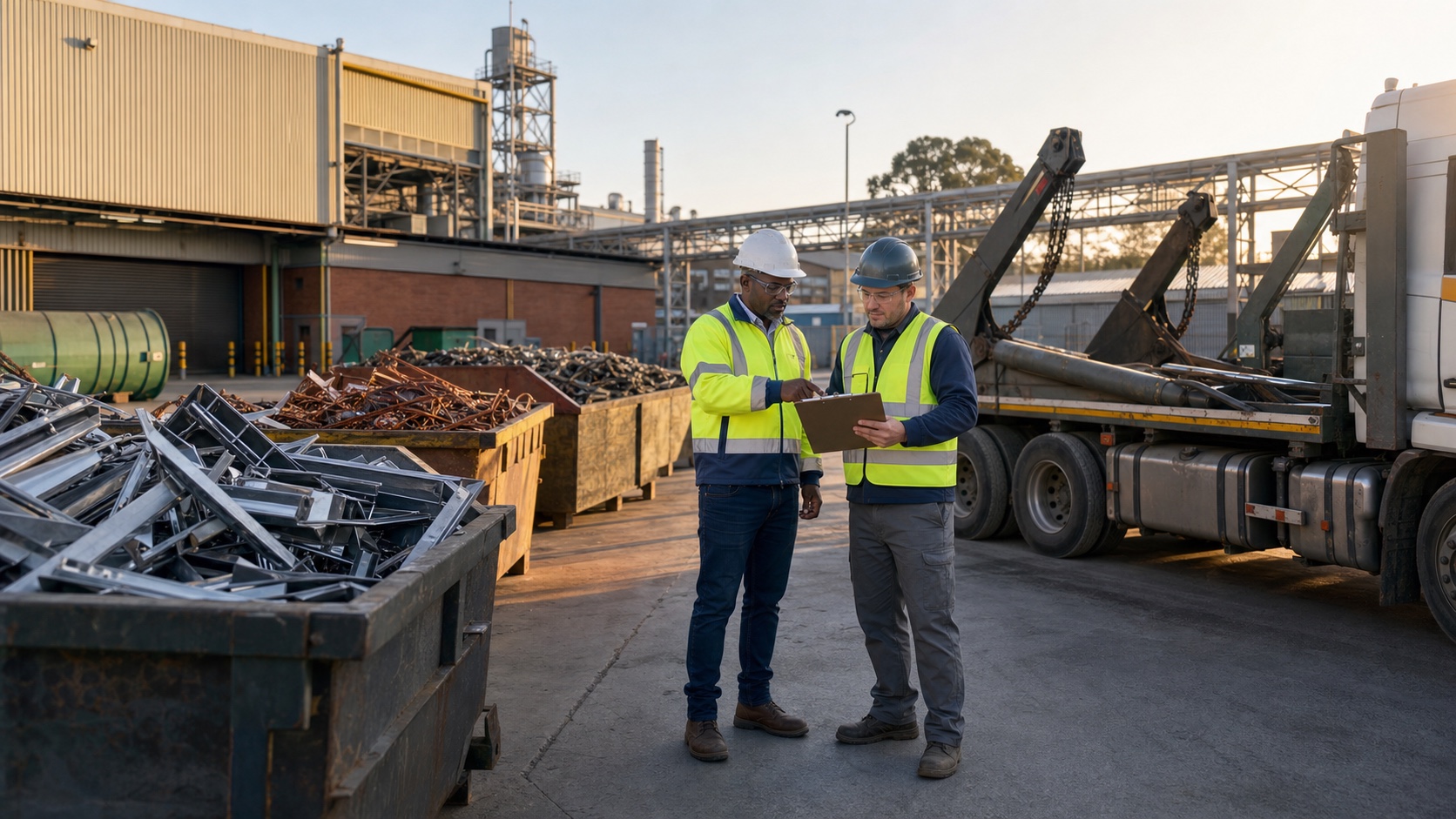
Industrial scrap rarely arrives as one neat, predictable load. Volumes change with maintenance cycles, shutdowns, production runs and capital projects. Materials may also be spread across several work areas, mixed with non-metal waste or subject to site-specific access rules.
Without a written service level agreement, the client and contractor can leave the same meeting with different assumptions about container supply, collection frequency, labour, weighing, grading, payment and clean-up. A good SLA removes those gaps before the first vehicle reaches the gate.
It also supports responsible waste management. South Africa’s National Environmental Management: Waste Act provides the national framework for waste management, licensing, control and enforcement. The national waste hierarchy prioritises avoidance and reduction, followed by reuse, recycling and recovery, with disposal as the last resort. A collection agreement should therefore make material recovery traceable rather than treating metal as anonymous general waste.
1. Define the materials and exclusions
Start with a schedule of the scrap streams the contractor is expected to handle. Describe the source and condition of each stream, not only the metal name. “Steel” is too broad when the site may generate plate offcuts, turnings, heavy machinery, drums, cable, coated components and demolition steel.
- List recurring ferrous and non-ferrous streams separately.
- Identify items that require dismantling, cutting or special lifting.
- Record known contamination such as oil, insulation, rubber, plastic or concrete.
- Exclude hazardous, pressurised, sealed or unidentified items unless a separate approved process applies.
- State who decides how an uncertain item will be classified.
This schedule creates a shared baseline for pricing and prevents an unsuitable load from being accepted simply because a collection vehicle is already on site.
2. Set a clear collection model
The SLA should say whether collections are fixed, triggered or project-based. A busy production facility may require permanent containers and scheduled exchanges. A shutdown may need daily removal for a short period. A demolition project may need a phased plan linked to areas being released.
Define the request channel, normal response time and escalation route. Include working hours, notice periods, vehicle restrictions, booking requirements and the process for urgent collections. If a full container blocks production or creates a safety risk, “as soon as possible” is not a usable service standard.
3. Allocate containers, equipment and labour
Make responsibility visible. The agreement should identify who supplies bins, skips, cages or roll-on containers; who positions and labels them; and who inspects them. Specify suitable container sizes and any maximum loading conditions.
For oversized plant, structural steel or machinery, describe the expected cutting, rigging and loading work. Record which party supplies operators, lifting equipment, gas-cutting equipment, fire watches and permits. A scrap collection team should never discover the real scope only after arriving on site.
4. Build safety and site control into the SLA
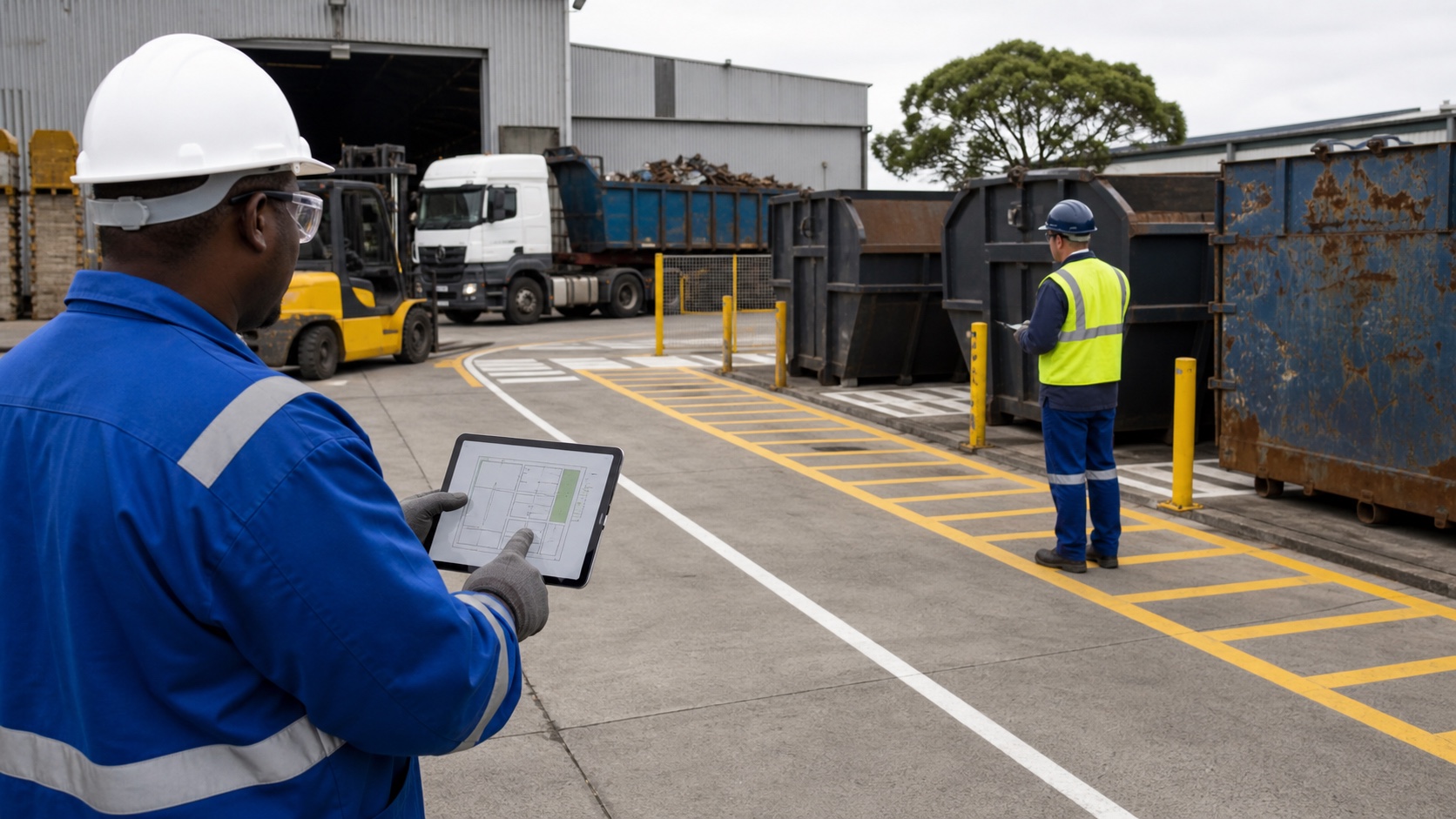
Scrap removal often takes place around pedestrians, forklifts, production equipment, sharp material and heavy vehicles. The Occupational Health and Safety Act provides South Africa’s overarching framework for workplace health and safety, including risks connected with plant and machinery.
Your contract should align the contractor with the site’s own health, safety and environmental system. Typical requirements include induction, personal protective equipment, traffic rules, permits to work, task risk assessments, incident reporting, supervision and proof that equipment is fit for purpose.
The facility should retain control of the work area. State who may authorise removal, who verifies that equipment has been decommissioned and how restricted or high-risk areas are accessed.
5. Agree how metal is graded and weighed
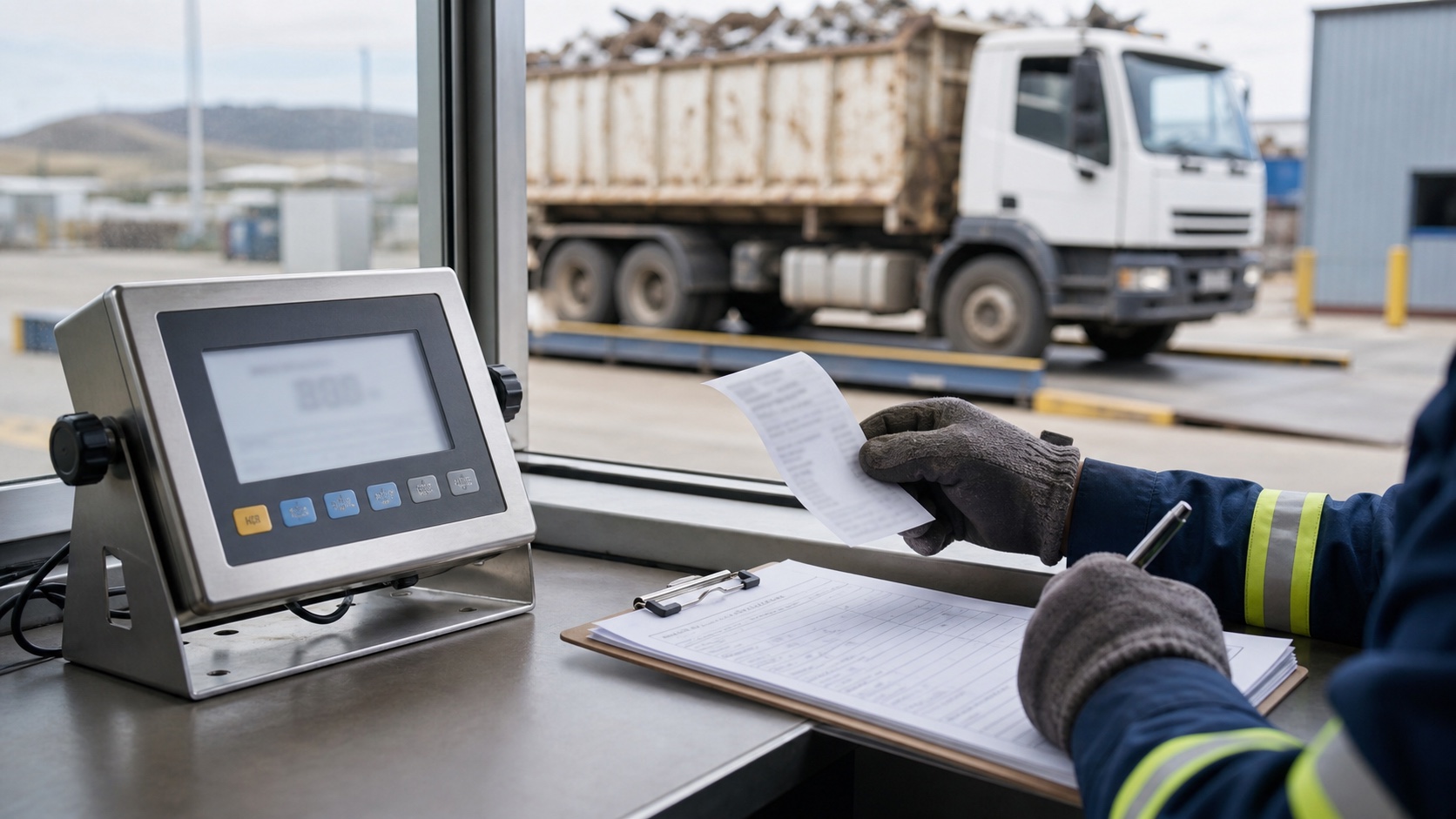
Pricing disputes often begin with different expectations about grade, contamination and net weight. The SLA should explain where weighing happens, which weighing records are supplied, how container or vehicle tare is handled and how the client may query a result.
For mixed loads, state whether the material is paid at a blended rate or separated into grades. If deductions may be applied for contamination, define the method and evidence required. Where sampling is used, the sampling process should be agreed before collection.
6. Choose a transparent pricing mechanism
A strong proposal distinguishes metal value from service cost. Depending on the scope, the commercial schedule may include purchase rates by grade, collection or transport charges, container rental, labour, equipment, processing deductions and clean-up costs.
Record whether rates are fixed for a period, quoted per collection or adjusted against an agreed market reference. Define when the price is locked, how often it is reviewed and what supporting statement accompanies payment. This makes competing bids easier to compare and reduces the risk of an attractive headline rate being offset by unclear deductions.
7. Protect ownership and chain of custody
The agreement should state when ownership transfers and who is authorised to release material. No asset should leave the site solely because it has been placed near a scrap area. Use an approved release note, collection instruction or asset-disposal record, especially for machinery, cable and recognisable infrastructure components.
South Africa’s Second-Hand Goods Act regulates dealers in second-hand goods and is intended, among other things, to combat trade in stolen goods. SAPS also provides a specific registration framework for second-hand goods dealers and recyclers. Procurement teams should request and verify the registrations relevant to the service being offered.
8. Specify the records you expect
Documentation is part of the deliverable, not an administrative extra. Decide which records are required for every collection and which are consolidated monthly.
- Collection date, vehicle and authorised site contact
- Material description and grade
- Gross, tare and net weight records
- Agreed rate, deductions and transaction value
- Release, collection or waste-related documentation required by the site
- Destination or processing information where applicable
- Incident, rejected-load or non-conformance records
- Monthly totals by material stream and site
Useful reporting lets finance reconcile transactions, helps operations identify recurring scrap and gives sustainability teams better recovery data.
See how recovered metal moves back into manufacturing
The Recycled Materials Association’s educational video, The Shredder Story, shows how industrial processing turns mixed scrap into manufacturing feedstock. It is useful context for procurement teams deciding which recovery and destination information to request from a contractor.

9. Use measurable KPIs
Keep the scorecard short enough to use. A practical scrap metal collection SLA can measure:
| KPI | Example measurement |
|---|---|
| Collection response | Percentage completed within the agreed service window |
| Container availability | Correct container supplied and exchanged when required |
| Documentation | Complete collection pack issued within the agreed period |
| Safety | Inductions, permits and incident actions completed |
| Weighing accuracy | Weight records supplied and queries resolved on time |
| Housekeeping | Collection area left in the agreed condition |
| Reporting | Monthly material and value report delivered by due date |
Set review intervals, escalation steps and corrective-action timelines. Service credits or penalties may suit some contracts, but a reliable review and remediation process is often more valuable than an elaborate scorecard nobody uses.
10. Plan for change, disputes and exit
Volumes, sites and production plans change. Include a change-control process for new material streams, new locations, additional equipment and temporary project work. Define who may approve a commercial variation.
The contract should also explain how grading or weight disputes are handled, how confidential or branded assets are destroyed, when containers will be removed after termination and which outstanding reports remain due. These clauses are easiest to agree while the relationship is running well.
Questions to include in your RFQ
- Which scrap streams and sites can you service?
- Which registrations and insurance cover apply to the work?
- What containers, vehicles and processing equipment will you use?
- Which tasks are included in your quoted rate?
- How are grades, contamination and weight determined?
- What is the pricing formula and review process?
- What collection response times can you commit to?
- Which safety documents and site controls do you require?
- What transaction and recovery reports will we receive?
- Who manages operational and commercial escalations?
Build the scope around your site
No two scrap programmes have exactly the same material mix, access constraints or collection rhythm. D7 Capital Partners works across scrap metal recycling, scrap metal removal, structural demolition and total waste management for industrial and commercial requirements.
A site assessment is the right starting point for an SLA that reflects the real work. Contact D7 Capital Partners to discuss your material streams, collection schedule, equipment needs and reporting requirements.
This article provides a practical procurement framework and is not legal advice. Confirm the legal, safety, environmental and contractual requirements that apply to your sites and materials with appropriately qualified advisers.
- Why a scrap metal collection SLA matters
- 1. Define the materials and exclusions
- 2. Set a clear collection model
- 3. Allocate containers, equipment and labour
- 4. Build safety and site control into the SLA
- 5. Agree how metal is graded and weighed
- 6. Choose a transparent pricing mechanism
- 7. Protect ownership and chain of custody
- 8. Specify the records you expect
- 9. Use measurable KPIs
- 10. Plan for change, disputes and exit
- Questions to include in your RFQ
- Build the scope around your site