Introduction
Metal recycling is more than just a trendy environmental movement; it’s a crucial component of sustainability and economic resilience. In a world where resources are depleting and waste is growing, understanding the benefits of metal recycling can empower individuals and businesses alike. This article dives deep into why metal recycling is not only good for the environment but also makes solid business sense. From economic advantages to enhancing supply chain efficiency, we’ll explore all facets of metal recycling.
The Importance of Metal Recycling
Each year, millions of tons of metals are wasted when they could be repurposed into new products. Metal recycling involves collecting and processing scrap metals to make new items, thus significantly reducing the need for new raw materials. This process is pivotal because metals like aluminum, copper, and steel can be recycled indefinitely without losing their properties.
Moreover, the recycling process requires less energy compared to mining new metals, which helps decrease greenhouse gas emissions. By participating in metal recycling, we not only conserve resources but also contribute to a healthier planet.
Economic Benefits
Cost Savings for Businesses
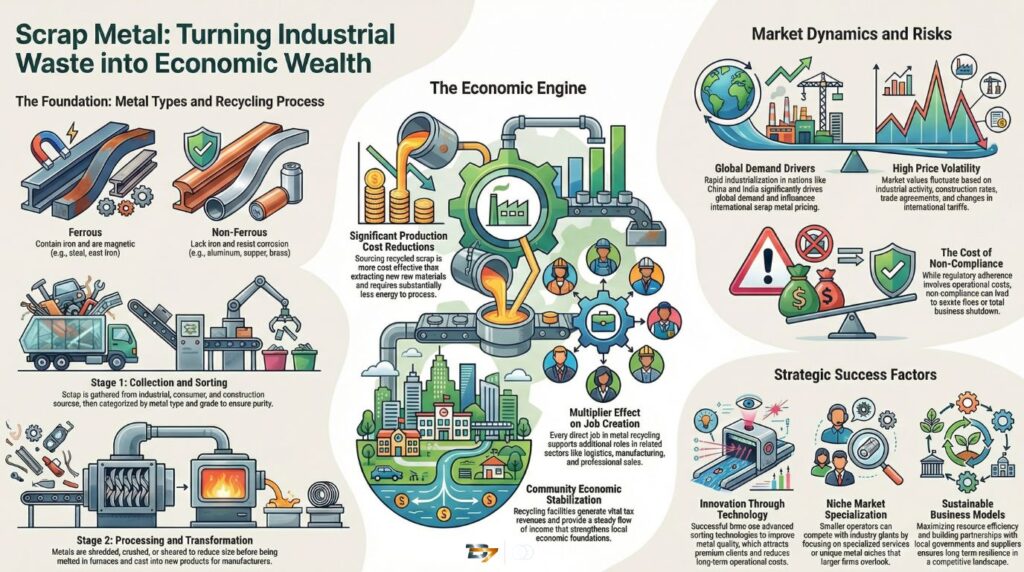
One of the most compelling reasons for businesses to recycle metal is the potential for significant cost savings. When companies recycle scrap metal, they reduce disposal fees and can even generate revenue by selling the recycled materials. For industries like construction and manufacturing, where metal is used extensively, the savings can add up remarkably.
Additionally, by using recycled metals instead of new materials, businesses can save on raw material costs. This shift not only helps the bottom line but also fosters a more sustainable business model that appeals to environmentally conscious consumers.
Job Creation in the Recycling Sector
The recycling industry, especially metal recycling, is a powerhouse for job creation. As demand for recycled metals grows, so does the need for workers in various roles such as collection, processing, and distribution. According to studies, the recycling sector has been shown to create more jobs per ton of material recycled compared to landfilling or incineration.
These jobs often include positions in processing facilities, logistics, and management, providing a wide range of employment opportunities across skill levels. Engaging in metal recycling not only benefits the environment but also strengthens local communities by fostering job growth.
The Impact on Local Economies
Metal recycling has a positive ripple effect on local economies. When businesses invest in recycling programs, they often work with local recycling facilities, which keeps money circulating within the community. This local investment boosts economic resilience and can lead to the development of new businesses and services focused on sustainability.
Moreover, as communities adopt recycling initiatives, they can enhance their public image, attract environmentally conscious businesses, and improve overall quality of life for residents. A thriving recycling sector contributes to a sustainable economy, creating a win-win situation for all involved.
Sustainability Advantages
Reducing Waste and Landfill Use
One of the most significant benefits of metal recycling is its role in reducing waste. Landfills are quickly reaching capacity, and recycling metal helps divert millions of tons of waste from these sites each year. By recycling, we not only reduce the volume of waste but also minimize the environmental damage caused by landfill overflow.
Furthermore, recycling metal reduces the need for mining and extraction, which are often destructive processes that harm ecosystems. Choosing to recycle means choosing preservation—of both natural landscapes and biodiversity.
Conserving Natural Resources
Natural resources are finite, and the extraction of metals can lead to severe environmental degradation. By recycling metals, we conserve vital resources and reduce our reliance on virgin materials. For instance, recycling aluminum saves about 90% of the energy required to produce it from ore, showcasing the efficiency of recycling processes.
In the long run, this conservation effort supports sustainable development by ensuring that future generations have access to essential resources. Each time we recycle metal, we contribute to a more sustainable future by preserving the earth’s precious resources.
Lowering Carbon Footprint
Carbon emissions are a driving factor behind climate change, and metal recycling plays a significant role in reducing these emissions. The energy saved from recycling metals means fewer fossil fuels are burned during production, thus lowering the overall carbon footprint. For businesses looking to enhance their sustainability efforts, adopting metal recycling practices can yield significant environmental benefits.
Moreover, cities and regions that prioritize recycling initiatives tend to report lower greenhouse gas emissions overall. The more we recycle, the less we contribute to global warming, creating a healthier planet for all.
Supply Chain Efficiency
Streamlining Material Sourcing
In today’s fast-paced market, having reliable and efficient supply chains is crucial. Metal recycling can help streamline material sourcing by providing a stable supply of recycled materials, reducing dependence on fluctuating markets for new metals. Businesses can hedge against market volatility by incorporating recycled metals into their supply chains.
Moreover, the use of recycled materials can often lead to shorter lead times since they are readily available from local sources, enabling companies to react swiftly to market needs. This agility can give businesses a competitive edge and improve customer satisfaction.
Enhancing Material Availability
The growing demand for metal products in various industries—ranging from construction to electronics—demands innovative solutions for material availability. Recycling helps meet this demand by ensuring a steady flow of quality metal inputs. The result is a more robust supply chain that can accommodate consumer needs without straining natural resources.
Additionally, as the recycling infrastructure improves, more companies can rely on recycled materials, further enhancing the overall efficiency of the supply chain. This shift not only strengthens business operations but also supports a circular economy where materials are reused continuously.
Building Resilient Supply Chains
Resilience in supply chains is vital, especially in times of crisis, such as economic downturns or natural disasters. Metal recycling contributes to this resilience by diversifying sources of materials. When companies rely on both new and recycled metals, they reduce the risks associated with supply disruptions.
Furthermore, by fostering relationships with local recycling facilities, businesses can build a more secure supply chain that is less susceptible to the volatility of global markets. This strategic approach ensures continuity and stability in operations, regardless of external pressures.
Challenges in Metal Recycling
Quality Control Issues
While metal recycling offers many benefits, it is not without challenges. One key issue is quality control. Recycled metals may contain impurities or be mixed with non-recyclable materials, which can affect the quality of the final product. Ensuring high-quality standards in the recycling process is crucial for businesses that rely on metals for their products.
Implementing rigorous inspection and sorting processes can help mitigate these quality concerns. Innovations in recycling technology also play a vital role in enhancing the efficiency and reliability of metal recycling, making it easier to produce high-quality recycled materials.
Market Fluctuations
The market for recycled metals can be volatile, influenced by global prices for raw materials and demand fluctuations. This unpredictability can pose challenges for businesses looking to invest in recycling programs or switch to using more recycled materials. It’s essential for companies to stay informed about market trends and adjust their strategies accordingly.
Moreover, developing long-term contracts with recycling facilities can provide more stability and predictability. By fostering these relationships, companies can better navigate the ups and downs of the recycled metal market.
Public Awareness and Participation
Another challenge in boosting metal recycling rates is the level of public awareness and participation. Many individuals and businesses are still not fully aware of the benefits of recycling metal or how to do it effectively. Education and outreach programs can play a vital role in increasing participation rates and ensuring that more metals are diverted from landfills.
Collaborating with local governments, schools, and community organizations can help spread awareness and encourage recycling habits. When communities come together to support recycling initiatives, the impact can be profound, resulting in higher recycling rates and enhanced environmental benefits.
Case Studies
Successful Metal Recycling Initiatives
Many cities and companies have successfully implemented metal recycling programs that demonstrate the benefits discussed. For example, San Francisco has established a comprehensive recycling and composting program that has led to a diversion rate of over 80% of waste from landfills. This initiative has not only improved sustainability but also generated significant economic benefits for the city.
Similarly, major corporations like Coca-Cola have committed to using recycled aluminum in their products, significantly reducing their environmental footprint and driving demand for recycled materials. These examples highlight how businesses and communities can successfully leverage metal recycling to promote sustainability and economic growth.
Impact on Companies’ Bottom Lines
Companies that adopt metal recycling practices often report improved profitability and enhanced brand reputation. For instance, the automotive industry has increasingly utilized recycled metals in vehicle production, leading to lower material costs and reduced environmental impact. This shift not only supports sustainability goals but also appeals to consumers who prioritize eco-friendly products.
Moreover, firms that actively promote their recycling efforts often experience increased customer loyalty. Consumers today are more informed and concerned about the environmental impact of their purchases, leading to a preference for brands that demonstrate a commitment to sustainability.
Conclusion
Future of Metal Recycling
The future of metal recycling looks promising, with increasing awareness of its benefits and the ongoing development of innovative recycling technologies. As the global market continues to evolve, businesses that invest in sustainable practices will be better positioned for success. Metal recycling is not just a choice; it’s becoming a necessity for companies that want to thrive in an eco-conscious world.
Furthermore, governments and organizations are likely to continue implementing policies that support recycling initiatives, which will further encourage participation from both businesses and individuals. This trend could lead to even more advancements in recycling technology and infrastructure, creating a more sustainable future for all.
FAQs
1. What materials can be recycled in metal recycling?
Common recyclables include aluminum cans, copper wiring, stainless steel, and scrap metal from manufacturing processes.
2. How does metal recycling impact the environment?
Metal recycling reduces waste, conserves natural resources, and lowers greenhouse gas emissions, contributing to a healthier planet.
3. Can businesses make money from recycling metal?
Yes, businesses can save on disposal costs and generate revenue by selling recycled metals, making it a financially viable option.
4. What are the challenges of metal recycling?
Challenges include quality control, market fluctuations, and the need for greater public awareness and participation in recycling programs.
5. How can individuals contribute to metal recycling efforts?
Individuals can contribute by recycling household metal products, participating in local recycling programs, and supporting businesses that prioritize sustainable practices.